Pranayama
Prāṇāyāma · the art of yogic breathing
The word joins prana, life-force or vital energy, with ayama, meaning to extend or free. Pranayama is simply the practice of noticing the breath and gently shaping its rhythm, depth and pace.
Prāṇāyāma · the art of yogic breathing
The word joins prana, life-force or vital energy, with ayama, meaning to extend or free. Pranayama is simply the practice of noticing the breath and gently shaping its rhythm, depth and pace.
The anatomy of a breath
Start here
Why practise it
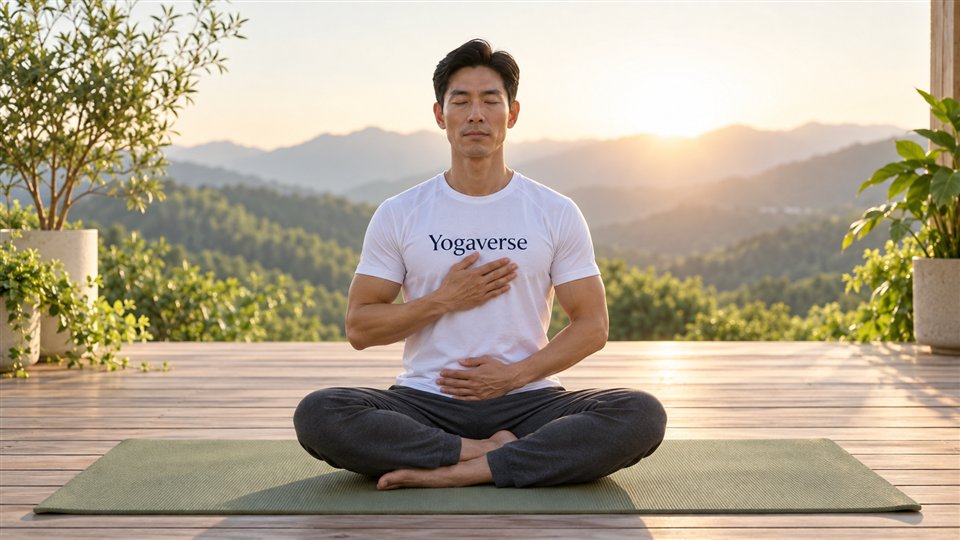
Long, slow exhales switch on the body's rest-and-restore response, easing worry and tension.
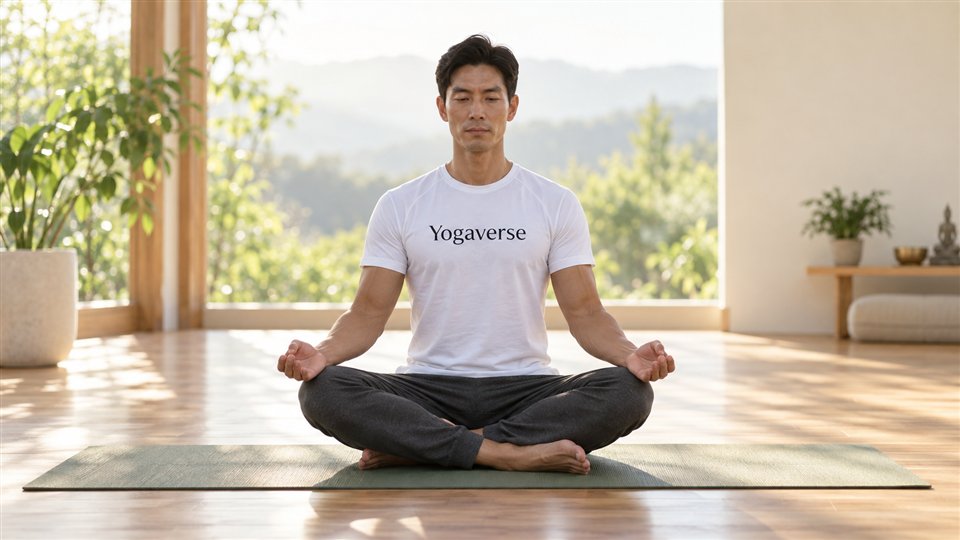
Rhythmic breathing quietens mental chatter and helps concentration and clear thinking.
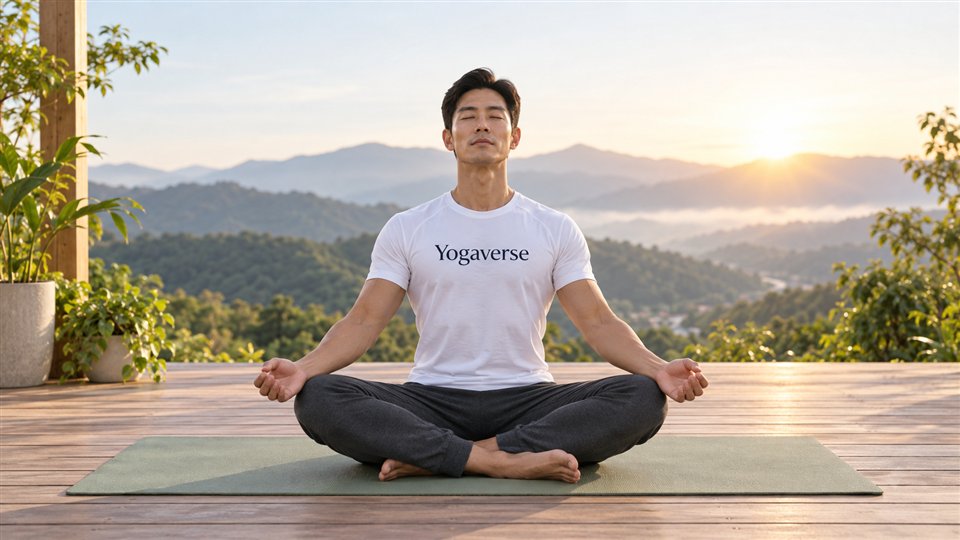
Deep, complete breaths strengthen the diaphragm and make everyday breathing more efficient.
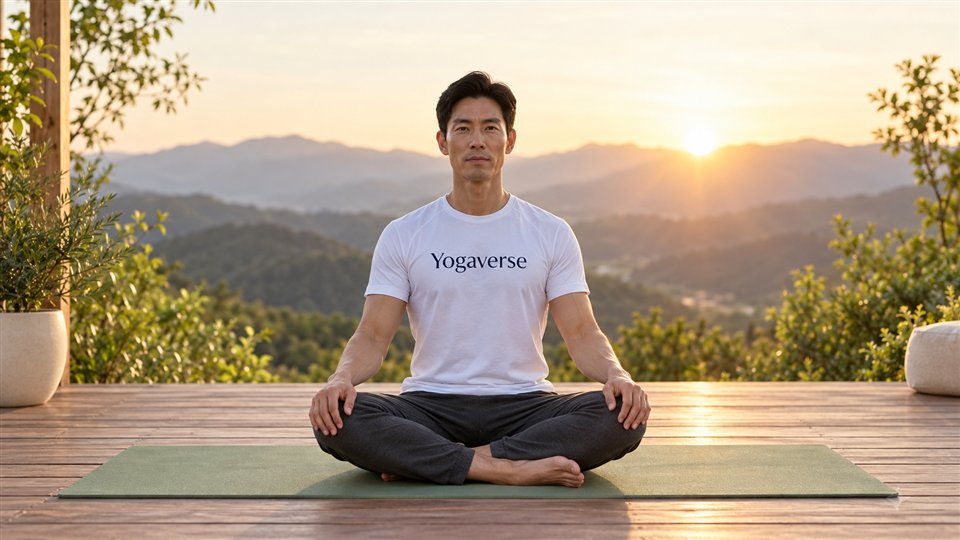
Energising practices oxygenate the body and lift alertness, a caffeine-free wake-up.
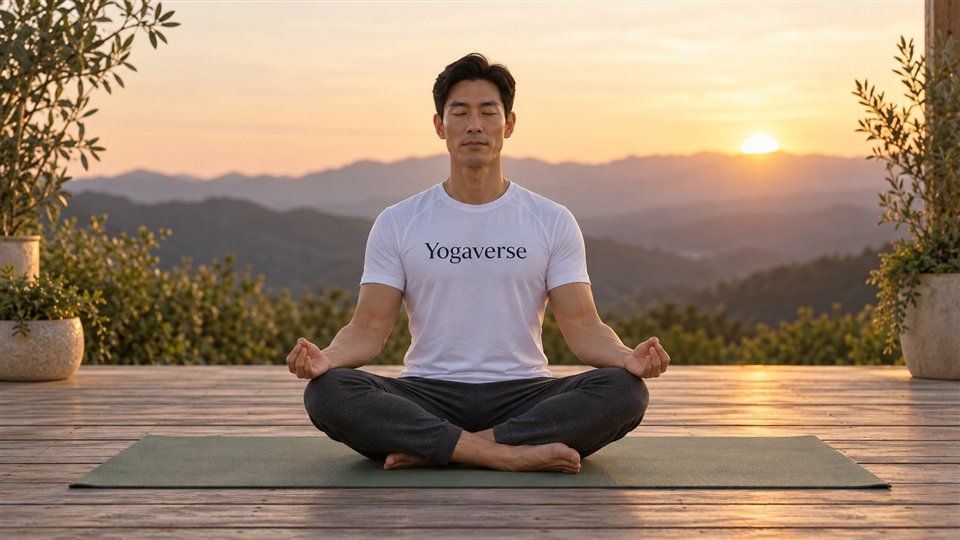
Slow, even breathing before bed settles the mind and eases the body into deeper rest.
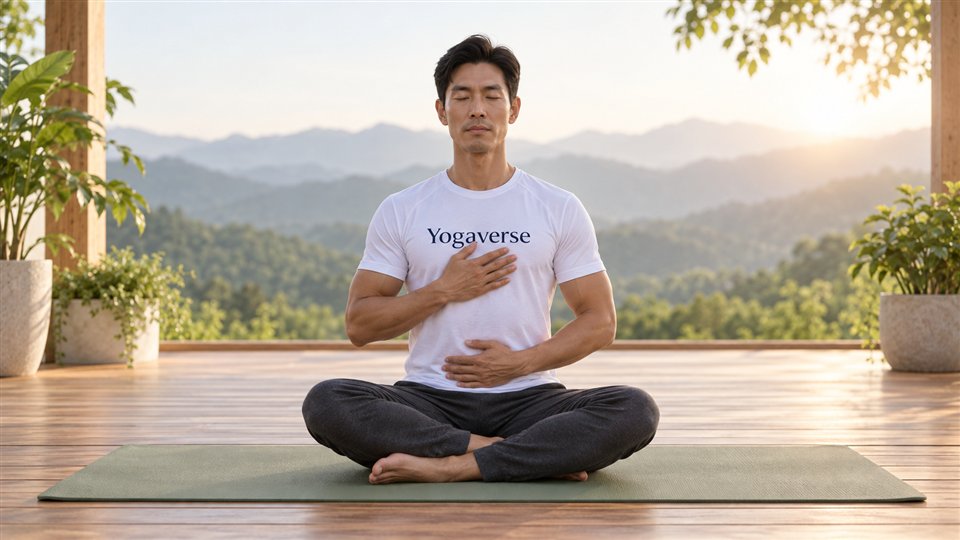
A steady breath creates space between feeling and reaction, helping you meet the day with calm.
Practise well